
Best Remote Onboarding Tools for Distributed Teams
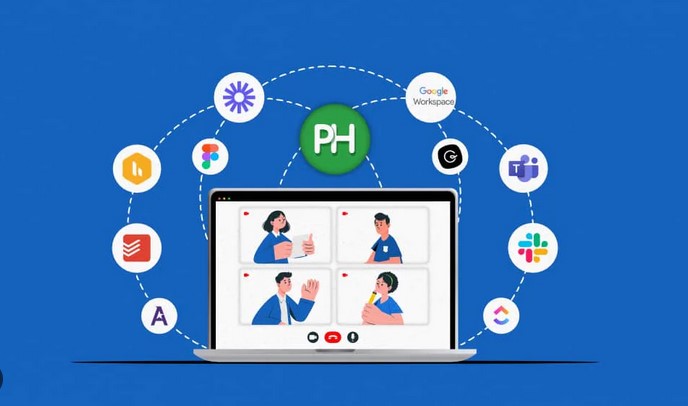
Source:https://www.proofhub.com
As organizations increasingly adopt flexible and distributed work models, the way new employees are welcomed and integrated has fundamentally changed. Traditional, in-person onboarding methods are no longer sufficient for teams spread across different locations and time zones. This shift has elevated the importance of Remote onboarding tools, which help organizations deliver consistent, engaging, and effective onboarding experiences regardless of geography. When used strategically, these tools can accelerate productivity, strengthen company culture, and improve employee retention from the very first day.
The Importance of Structured Remote Onboarding
Remote onboarding is more than simply sharing documents and scheduling a few video calls. It is a structured process designed to help new hires understand their role, connect with colleagues, and align with organizational values. Without a clear system in place, remote employees may feel isolated, confused about expectations, or disconnected from the company mission.
A well-designed remote onboarding experience ensures clarity and confidence. New employees should know what is expected of them, how success is measured, and where to find support. Structured onboarding also reduces the burden on managers by providing repeatable processes that can be applied consistently across teams.
Another critical factor is speed to productivity. Remote employees often have fewer informal learning opportunities, such as observing colleagues or asking spontaneous questions. Effective onboarding tools bridge this gap by providing centralized access to information, training, and communication channels. This allows new hires to become productive faster while minimizing frustration and uncertainty.
Finally, onboarding plays a major role in shaping an employee’s perception of the organization. A thoughtful, well-organized onboarding experience signals professionalism, care, and long-term commitment to employee success. This first impression can significantly influence engagement levels and retention, especially in competitive talent markets.
Categories of Tools That Support Distributed Teams
Rather than relying on a single platform, successful remote onboarding often involves a combination of tools, each serving a specific purpose. Understanding these categories helps organizations build a comprehensive onboarding ecosystem.
Communication and collaboration platforms are foundational. Tools that support video conferencing, instant messaging, and asynchronous communication enable new hires to connect with managers and teammates easily. These platforms help recreate the accessibility of an office environment and encourage relationship-building from the start.
Learning management systems are equally important. They provide structured training paths, onboarding modules, and assessments that guide new employees through required knowledge and skills. Centralized learning platforms ensure consistency, making it easier to onboard multiple hires simultaneously without sacrificing quality.
Document management and knowledge-sharing tools also play a critical role. New hires need access to policies, procedures, and reference materials without having to search through emails or ask repeatedly for information. Well-organized digital knowledge bases empower employees to find answers independently while reinforcing transparency.
Automation and Personalization in Onboarding Workflows
One of the most impactful developments in remote onboarding is the use of automation combined with personalization. Automated workflows can handle repetitive tasks such as account setup, document distribution, and task reminders. This reduces administrative overhead and ensures that no critical steps are missed.
At the same time, personalization enhances engagement. Tools that allow customized onboarding paths based on role, department, or experience level help new hires feel that the process is relevant and thoughtfully designed. Personalized welcome messages, role-specific training, and tailored milestones create a sense of belonging even in a virtual environment.
Analytics and feedback tools further strengthen onboarding efforts. By tracking completion rates, engagement levels, and employee feedback, organizations can continuously refine their onboarding approach. Data-driven insights help identify gaps, optimize content, and improve the overall experience for future hires.
Selecting the Right Tools for Long-Term Success
Choosing the best onboarding tools requires alignment with organizational needs, culture, and scale. Small teams may prioritize simplicity and ease of use, while larger organizations may require robust systems that integrate with existing HR and IT infrastructure. The key is to focus on usability and adoption rather than feature overload.
Integration capability is a critical consideration. Onboarding tools should work seamlessly with human resource systems, payroll platforms, and collaboration tools already in use. Smooth integration reduces friction for both new hires and administrators, creating a more cohesive experience.
Security and compliance must not be overlooked. Remote onboarding often involves sensitive personal and corporate information. Tools should meet relevant data protection standards and provide secure access controls to protect both the organization and its employees.
Equally important is ongoing support and scalability. As organizations grow or change, onboarding tools should be able to adapt. Vendors that offer strong customer support, regular updates, and flexible configurations are better positioned to support long-term onboarding success.
As remote and hybrid work models continue to define the modern workplace, onboarding practices must evolve to meet new expectations. Investing in the right Remote onboarding tools enables organizations to deliver structured, engaging, and scalable onboarding experiences that support both employee success and business performance. By combining clear processes, thoughtful tool selection, and continuous improvement, companies can ensure that every new hire feels welcomed, prepared, and connected—no matter where they are located.