Agency Onboarding Process That Builds Client Trust
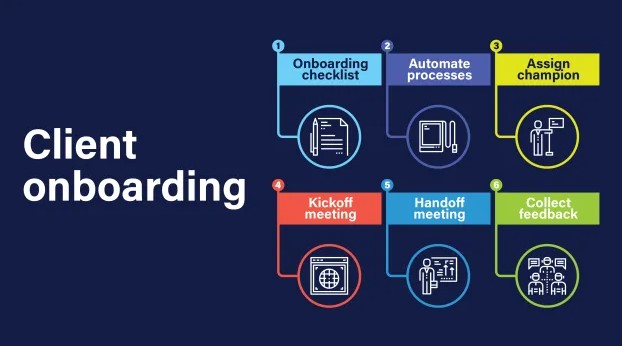
Source:https://www.rightworks.com

The ink was barely dry on a $150,000 contract when the silence started. Our new client had just wired the deposit, and then… nothing. For forty-eight hours, they heard zero from our team. By Wednesday, the “Buyer’s Remorse” had set in. They sent a frantic email asking if we had received the funds and if the project was still on schedule.

In that moment, I realized that the agency onboarding process isn’t just an administrative checklist; it’s a psychological safety net. Statistics show that a poor onboarding experience is the leading cause of client churn within the first 90 days. You can be the most talented creative or technical genius in the world, but if you leave your client in the “dark zone” after they’ve handed over their money, you’ve already lost their trust.

Over my ten years in the agency world, I’ve refined a system that transforms that post-purchase anxiety into “High-Velocity Trust.” Here is how you engineer an onboarding experience that makes clients feel like they’ve made the best investment of their year.

The “Airport Pilot” Analogy: Why Guidance Matters

To understand a professional agency onboarding process, imagine you are boarding a long-haul flight. You’ve paid for your ticket and sat in your seat. If the pilot says nothing, and the plane just sits on the tarmac for an hour, you get nervous.

However, if the pilot comes over the speaker and says, “Good morning, we’re currently 3rd in line for takeoff, we’ll be in the air in 8 minutes, and our flight time to London is 10 hours,” you relax. You don’t need to know how the jet engine works; you just need to know the Flight Plan. Your onboarding process is that pilot’s announcement. It tells the client where they are, what is happening next, and when they will arrive at their destination.

1. The Immediate “Post-Signature” Sequence

The clock starts the second the contract is signed. In my agency, we treat the first 24 hours as “The Golden Window.” Trust is at its highest, but so is vulnerability.

Automated Gratitude and Next Steps

Don’t wait for a manual email. Use an automated trigger to send a “Welcome Kit” immediately. This should include:

  • A personalized video greeting (tools like Loom are perfect for this).

  • A clear outline of the Project Timeline.

  • The “Who’s Who” of the account team.

The Client Discovery Questionnaire

Before the kickoff call, you need data. A technical Discovery Questionnaire allows the client to dump their brain into a structured format. This prevents the “So, tell us about your business” fluff during the first meeting. We want to spend that time discussing Strategic Goals, not basic login credentials.

2. Setting the Stage with a Kickoff Meeting

The kickoff meeting is the most important hour of your relationship. This is where you move from “The Salesperson” to “The Strategic Partner.”

  • Define Success Metrics (KPIs): If you don’t know what the client’s “North Star” is, you can’t hit it. Are we looking for Lead Generation, Brand Awareness, or Customer Retention?

  • Establish Communication Cadence: Will you talk via Slack, Email, or weekly Zoom calls? Setting these boundaries now prevents the dreaded 9:00 PM Sunday text message.

  • Identify Roadblocks: Ask the client, “What has stopped this project from succeeding in the past?” This shows you are thinking about the Risk Management side of the business.

3. Technical Integration and Asset Gathering

This is the “heavy lifting” phase of the agency onboarding process. Nothing kills momentum faster than waiting three weeks for a logo file or a Facebook Ad Manager invite.

The “Single Source of Truth” (SSOT)

We use a dedicated client portal (like Notion or Monday.com). This is where all Project Deliverables, meeting notes, and assets live. When a client asks, “Where is that report?”, you point them to the SSOT. It reduces friction and proves your Operational Excellence.

Audit and Access Management

Use a secure password manager (like LastPass or 1Password) to request access to their Tech Stack. Never ask for passwords in plain text over email. It’s a massive security risk and looks unprofessional to a mid-market client who values Data Privacy.

4. The “Quick Win” Strategy

Trust is built on promises kept. During the first 14 days of the agency onboarding process, find a “Quick Win.”

If you are an SEO agency, fix a glaring technical error on their homepage. If you are a social media agency, polish their bio and header images. This “Quick Win” acts as a Proof of Concept. It signals to the client’s brain: “I made the right choice. These people are already making my life better.”

5. Expert Advice: The “Invisible” Transition

In my experience, the biggest point of failure in an agency is the handoff from the Sales Team to the Operations Team.

Tips Pro: The “Shadowing” Method.

I never let a Sales rep close a deal without the Account Manager being present for at least the final 15 minutes of the last sales call. This ensures that the person doing the work has heard the client’s “pain points” firsthand. There is nothing more frustrating for a client than having to repeat their life story to a new person 24 hours after signing a contract.

Peringatan Tersembunyi (Hidden Warning): The “Over-Automation” Trap.

While tools are great, do not automate the relationship. If your entire onboarding is just a series of cold, automated emails, the client will feel like a number in a spreadsheet. Always sprinkle in high-touch, human moments. A handwritten “Welcome” card or a 5-minute check-in call goes further than any fancy software.

6. Scannable Onboarding Milestone Checklist

To keep your team accountable and your client informed, use this scannable roadmap:

  • Day 1: Contract Signed, Invoice Paid, Automated Welcome Kit Sent.

  • Day 3: Discovery Questionnaire Completed by Client.

  • Day 5: Official Kickoff Meeting (Roles, Goals, and Tools defined).

  • Day 7: Technical Access Granted (CRM, CMS, Analytics).

  • Day 10: Strategy Blueprint Presented for Approval.

  • Day 14: The “Quick Win” Delivered.

7. Scaling the Process with SOPs

As your agency grows, you cannot be the “onboarding hero” every time. You need Standard Operating Procedures (SOPs).

Document every step. If the process is in your head, the agency is a hobby. If the process is in an SOP, the agency is an asset. Use Project Management Software to create templates that can be duplicated with one click. This ensures that every client gets the same “5-star” experience, whether it’s your first client or your fiftieth.

Most agencies think their “product” is the Facebook Ad or the Website. They are wrong. In the beginning, your product is the Agency Onboarding Process. It is the feeling of relief a client gets when they realize they can finally stop worrying because you have the “Flight Plan” under control.

When you nail the onboarding, you aren’t just starting a project; you are building a partnership that can survive the ups and downs of the business cycle. Trust is the currency of the agency world—spend it wisely in the first 14 days.

What is the one “friction point” in your current client handoff that you’ve been ignoring? Is it the asset gathering or the lack of a clear kickoff? Share your thoughts below, and let’s discuss how to turn your onboarding into your greatest sales tool!

Scaling a Consulting Business Without Compromising Quality

Source:https://www.singlegrain.com

As a consultant, you’ve likely reached a point where your business is thriving, and you’re considering how to scale without losing the quality and personalized service that your clients have come to expect. Scaling a consulting business is an exciting but challenging endeavor. The goal is to grow your client base, expand your offerings, and increase revenue, all while maintaining the high standards that distinguish you in the market. This article will explore strategies and approaches for scaling your consulting business in a way that ensures continued excellence and client satisfaction, without overextending yourself or diluting the quality of your services.

Why Quality is Crucial for Scaling a Consulting Business

Quality is at the core of any successful consulting business. It is what builds trust, ensures client satisfaction, and generates referrals. But as your business grows, it becomes increasingly difficult to maintain that same level of personalized service and attention to detail. The pressure to take on more clients, diversify offerings, and meet rising demands can sometimes lead to a decline in service quality, which could hurt your brand reputation in the long run.

Maintaining quality while scaling requires a shift in mindset and strategic planning. Instead of thinking of scaling purely as taking on more clients, it’s about finding ways to amplify your impact without compromising on the value you deliver. The good news is that with the right strategies, scaling doesn’t have to mean a decline in service quality—it can mean a smarter, more efficient way to serve your clients and grow your business.

Key Strategies for Scaling a Consulting Business Without Compromising Quality

Scaling a consulting business without sacrificing quality is all about creating systems, processes, and strategies that enable growth while maintaining high standards. Below are several approaches that can help you scale effectively:

1. Build a Strong Team and Delegate Strategically

One of the most important steps in scaling your consulting business is hiring a team that shares your vision for quality. As you expand, you may find that you’re no longer able to handle every client interaction, project, or administrative task on your own. Hiring additional consultants or support staff can help you manage the increased workload while preserving the quality of service.

However, scaling isn’t just about hiring more people—it’s about hiring the right people. Look for individuals who align with your company values and bring complementary skills to the table. When you delegate tasks, ensure that those taking on responsibilities are well-trained and equipped with the tools they need to meet your high standards. This will allow you to focus on strategic growth while maintaining your reputation for delivering top-notch services.

Tip: Consider hiring consultants with niche expertise that aligns with your service offerings. This enables you to expand your scope without diluting the core quality of your consulting services.

2. Systematize Your Processes

To ensure consistent delivery of high-quality work as your client base grows, systematize your business operations. Develop and document processes for every aspect of your consulting work—from client onboarding and project management to report generation and invoicing. This will ensure that you and your team can execute tasks efficiently and with precision, no matter how many clients you’re handling.

Having standardized processes also helps ensure that your clients receive consistent service, regardless of which team member is working with them. It allows for quicker onboarding, clearer expectations, and streamlined communication. Furthermore, it reduces the risk of human error and keeps everyone on the same page, even as your business expands.

Tip: Invest in project management and CRM (Customer Relationship Management) tools to help track progress, store client data, and improve communication across your team. Tools like Asana, Trello, and Salesforce can help scale your operations without losing control of the client experience.

3. Leverage Technology for Scalability

In today’s digital age, leveraging technology is essential when scaling any business, especially a consulting business. The right software can automate many of the time-consuming tasks that often eat up valuable hours, freeing up your time to focus on more strategic areas of growth.

For example, scheduling tools like Calendly can streamline the process of setting up client meetings, while email automation tools like Mailchimp can help you send timely updates or proposals to clients without manually managing each interaction. You can also use analytics platforms to track client performance and gather insights that will inform your consulting strategies, ensuring that your advice is always backed by data.

Tip: Explore AI-based tools that help with predictive analysis or client behavior forecasting. These tools can assist you in making better decisions for your clients, improving your offering without additional manual effort.

Focus on Niche Markets for Quality and Efficiency

A common mistake when scaling a consulting business is trying to serve everyone. While it might seem appealing to diversify your client base, focusing on a niche market is often more effective in maintaining quality. By narrowing your focus, you can hone your expertise in a particular industry or area, making your consulting services more valuable and tailored to the specific needs of that market.

For example, if you’re a business consultant, you might focus on providing strategic advice to healthcare startups, or if you’re a digital marketing consultant, you could specialize in helping eCommerce businesses grow their online presence. Specializing in a niche market allows you to develop deeper expertise, streamline your service offerings, and build a reputation as a go-to expert in that field. It also allows you to serve your clients better, as you’ll have a more profound understanding of their challenges and needs.

Tip: Use market research to identify areas of demand in your industry where your consulting expertise can stand out. Then, tailor your messaging, marketing, and service offerings to speak directly to that audience.

As your consulting business grows, it’s crucial to remain mindful of your core values and the quality of service you provide. Scaling a consulting business without compromising quality requires a blend of strategy, technology, and team-building. By systematizing your processes, leveraging the right technology, and focusing on a niche market, you can scale your operations efficiently and effectively. Scaling doesn’t have to mean a reduction in service quality—in fact, with the right approach, it can lead to even greater success and client satisfaction. With careful planning and a commitment to excellence, you can continue to expand your business while maintaining the high standards that made it successful in the first place.

The Power of Consultation: How Business Consulting Can Transform Your Company

Source : https://fiverr-res.cloudinary.com

The Power of Consultation: How Business Consulting Can Transform Your Company is a comprehensive guide to understanding the value of business consulting and how it can help your company reach its goals. This book provides an in-depth look at the different types of consulting services available, the benefits of working with a consultant, and how to select the right consultant for your business. It also offers practical advice on how to maximize the impact of consulting services and how to measure the success of a consulting engagement. With this book, you will gain a better understanding of the power of consultation and how it can help your business reach its full potential.

The Benefits of Business Consulting: How Professional Consultants Can Help Your Company Reach Its Goals

Business consulting is a valuable tool for any company looking to reach its goals. Professional consultants can provide a range of services that can help a business to identify and address areas of improvement, develop strategies for growth, and maximize efficiency. Here are some of the key benefits of business consulting:

1. Expertise: Professional consultants bring a wealth of knowledge and experience to the table. They can provide valuable insights into the industry, the market, and the competition. They can also help to identify areas of improvement and develop strategies to address them.

2. Objectivity: Consultants are not emotionally invested in the business, so they can provide an objective perspective. This can be invaluable in helping to identify problems and develop solutions.

3. Efficiency: Consultants can help to streamline processes and maximize efficiency. They can identify areas of waste and inefficiency and develop strategies to address them.

4. Cost Savings: Professional consultants can help to reduce costs by identifying areas of waste and inefficiency. They can also help to identify potential cost savings opportunities.

5. Strategic Planning: Consultants can help to develop a strategic plan for the business. This can include identifying goals, developing strategies to reach those goals, and creating a timeline for implementation.

6. Innovation: Consultants can help to identify new opportunities and develop innovative solutions. They can also help to identify potential risks and develop strategies to mitigate them.

7. Accountability: Consultants can help to ensure that the business is held accountable for its goals and objectives. They can provide regular feedback and progress reports to ensure that the business is on track.

Business consulting can be a valuable tool for any company looking to reach its goals. Professional consultants can provide a range of services that can help a business to identify and address areas of improvement, develop strategies for growth, and maximize efficiency. With the right consultant, a business can reach its goals and achieve success.

The Power of Consultation: How Strategic Planning and Business Consulting Can Help Your Company Grow and Thrive

The power of consultation is an invaluable asset for any business. Strategic planning and business consulting can help companies grow and thrive in today’s competitive market. By engaging in strategic planning and consulting, businesses can gain a better understanding of their current situation, identify areas of improvement, and develop a plan to reach their goals.

Strategic planning is the process of setting goals and objectives for a business and developing a plan to achieve them. It involves analyzing the current situation, identifying opportunities and threats, and developing strategies to capitalize on the opportunities and mitigate the threats. Strategic planning helps businesses to focus their resources and efforts on the most important areas, and to develop a plan to reach their goals.

Business consulting is the process of providing advice and guidance to businesses on how to improve their operations and reach their goals. Consultants can provide expertise in areas such as marketing, finance, operations, and human resources. They can help businesses to identify areas of improvement, develop strategies to reach their goals, and implement those strategies.

The power of consultation can help businesses to grow and thrive. Strategic planning and business consulting can provide businesses with the insight and guidance they need to make informed decisions and reach their goals. By engaging in strategic planning and consulting, businesses can gain a better understanding of their current situation, identify areas of improvement, and develop a plan to reach their goals.

The power of consultation is an invaluable asset for any business. Strategic planning and business consulting can help companies grow and thrive in today’s competitive market. By engaging in strategic planning and consulting, businesses can gain a better understanding of their current situation, identify areas of improvement, and develop a plan to reach their goals. With the right guidance and support, businesses can reach their goals and achieve success.

Conclusion

The Power of Consultation: How Business Consulting Can Transform Your Company is an invaluable resource for any business looking to improve their operations and increase their profits. By leveraging the expertise of experienced consultants, businesses can gain valuable insights into their operations and develop strategies to improve their performance. With the right consultant, businesses can make significant improvements to their operations and increase their profitability. Ultimately, the power of consultation can be a powerful tool for any business looking to take their operations to the next level.