Key Considerations for International Market Entry

Expanding into global markets can be a pivotal move for growing companies seeking new opportunities, revenue streams, and competitive advantages. However, entering a foreign market is a complex undertaking that demands careful planning, strategic alignment, and deep local understanding. Successful international market entry goes beyond identifying demand—it involves navigating regulatory environments, understanding consumer behavior, establishing the right partnerships, and localizing operations. In this article, we’ll explore the most critical considerations businesses should evaluate before stepping into international markets to ensure a successful and sustainable entry.

Understanding the Global Landscape Before You Expand

Going international is not just about replicating your domestic success in a different geography. It requires a fundamental understanding of the target country’s economic, cultural, political, and legal frameworks. Without proper preparation, companies risk costly missteps that could jeopardize their brand and financial health.

1. Market Research and Selection

The first step in any international market entry strategy is conducting thorough market research. Businesses must identify which markets offer the best alignment with their products or services, growth potential, and competitive fit. Key areas to analyze include:

  • Market Size and Demand: How large is the customer base? Is there a growing demand for your offerings?
  • Competitive Landscape: Are there already dominant players in the market? Can your company offer something unique?
  • Economic Stability: Is the economy growing, stable, or volatile? Will currency fluctuations affect profitability?
  • Ease of Doing Business: What is the regulatory environment like? Are there restrictions on foreign ownership or business operations?

Tools such as PESTEL (Political, Economic, Social, Technological, Environmental, Legal) analysis and SWOT (Strengths, Weaknesses, Opportunities, Threats) can help companies evaluate potential markets systematically.

2. Legal and Regulatory Compliance

Every country has its own legal framework governing how businesses operate. Companies must understand and comply with local laws related to taxation, labor, product labeling, data privacy, and trade regulations.

  • Import/Export Regulations: Are there tariffs or quotas that will affect the cost of doing business?
  • Intellectual Property Protection: Will your patents or trademarks be recognized and protected?
  • Licensing and Registration: What is required to legally establish a presence in the country?
  • Labor Laws: What are the rules around hiring, firing, wages, and employee benefits?

Working with local legal experts or international law firms can help businesses navigate these complex environments and avoid penalties or delays.

3. Cultural Sensitivity and Localization

Cultural misunderstandings can derail even the most promising international ventures. What works in one market may be offensive or ineffective in another. Successful companies invest time and resources into cultural adaptation and localization strategies.

  • Language and Communication: Translate marketing materials accurately, but also ensure that the tone and message resonate culturally.
  • Consumer Behavior: Understand buying habits, price sensitivity, and product preferences.
  • Management Style: Adapt leadership approaches to fit local expectations, which may differ significantly from those in your home country.

For example, a company entering Japan might need to emphasize group consensus and long-term relationship-building, whereas in the U.S., a more direct and individualistic approach may work better.

Strategic Market Entry Approaches

Once a target market has been identified and researched, the next step is to determine how to enter it. There is no one-size-fits-all model; your entry strategy should align with your objectives, resources, and the nature of the market.

1. Exporting

Exporting is the simplest and most cost-effective way to enter a new market. It allows businesses to test international waters with relatively low investment. However, it also limits control over branding, distribution, and customer service.

  • Direct Exporting: Selling directly to customers or distributors in the foreign market.
  • Indirect Exporting: Using local intermediaries, such as export agents or trading companies.

2. Licensing and Franchising

In this model, a company permits another party to use its brand, processes, or intellectual property in exchange for fees or royalties. This is especially effective for consumer brands with proven business models.

  • Franchising: Common in the food and retail industries.
  • Licensing: Suitable for products like software or patented technology.

This approach allows faster expansion with less risk but requires rigorous partner screening and quality control mechanisms.

3. Joint Ventures and Strategic Alliances

Partnering with a local company helps mitigate risks by leveraging the partner’s knowledge, networks, and infrastructure. Joint ventures offer shared ownership and responsibility, which can lead to better decision-making and stronger market integration.

  • Pros: Shared risk, access to local insights.
  • Cons: Potential for conflict over goals and control.

Clear agreements and strong governance structures are essential for success.

4. Foreign Direct Investment (FDI)

Establishing a wholly owned subsidiary or manufacturing plant in the target country provides maximum control and long-term potential. However, it also involves significant capital, operational complexity, and regulatory risk.

FDI is most suitable for companies with strong financial resources, a clear long-term commitment, and a deep understanding of the local market.

Managing Risks and Ensuring Long-Term Success

International market entry comes with unique risks—currency fluctuations, geopolitical instability, supply chain disruptions, and reputational risks. Proactively managing these risks will increase your chances of success and ensure smoother operations in new territories.

1. Risk Mitigation Strategies

  • Currency Hedging: Protect against currency fluctuations using financial instruments.
  • Insurance: Consider export credit insurance, political risk insurance, and supply chain coverage.
  • Contingency Planning: Build flexibility into your strategy to respond to unexpected challenges.

2. Build a Local Team or Partner Network

Hiring local talent or forming partnerships with trusted local entities can provide invaluable insights and operational support. A local team understands the nuances of customer expectations, regulations, and business culture better than anyone else.

  • Recruit Locally: Source management and staff from the local market when possible.
  • Train and Develop: Invest in training to align local teams with your company’s standards and vision.

3. Monitor and Adapt

Global markets are dynamic. Success in international expansion requires continuous monitoring of performance, customer feedback, and market conditions. Use data and local insights to adapt strategies and products over time.

Establish key performance indicators (KPIs) specific to each market, and conduct regular reviews to identify areas for improvement or innovation.

Effective international market entry requires a well-researched, strategically aligned, and locally adapted approach. By considering market conditions, cultural factors, legal requirements, and risk mitigation strategies, companies can confidently expand their footprint across borders. Whether through exporting, partnerships, or direct investment, the path to global growth must be carefully tailored to each market’s unique landscape. With thoughtful planning and a commitment to continuous learning, businesses can turn international expansion into a sustainable and profitable journey.

Freelance Workforce Management Tips for Growing Companies

Source:https://www.workingnation.com

As businesses evolve and adapt to the fast-paced demands of today’s economy, more companies are turning to freelancers to meet their project-based needs. Whether it’s to access specialized skills, scale operations quickly, or reduce overhead costs, leveraging a freelance workforce has become a common practice for growing organizations. However, managing a freelance workforce management system effectively requires thoughtful strategies and systems to ensure productivity, quality, and alignment with company goals. In this article, we’ll explore tips and strategies for companies looking to manage their freelance workforce effectively, ensuring they stay productive, engaged, and aligned with business objectives.

Why Freelance Workforce Management Is Crucial

As the demand for freelance talent grows, especially in industries such as tech, marketing, design, and content creation, companies must adapt their workforce management strategies. Freelancers offer flexibility and expertise that full-time employees may not, but managing them can be more challenging than handling a traditional workforce. Freelancers are often remote, work on a project basis, and have varying availability, which adds complexity to managing deadlines, quality standards, and communication.

Freelance workforce management involves organizing, tracking, and guiding freelance professionals in a way that maximizes efficiency, maintains high standards of work, and aligns with the company’s long-term goals. Effective management ensures that freelancers feel engaged and valued, improving retention and performance. Moreover, it enables businesses to tap into the best talent, scale quickly, and deliver exceptional results without the administrative burden of hiring permanent staff.

Key Tips for Effective Freelance Workforce Management

While managing freelancers requires a slightly different approach than managing full-time employees, there are several best practices that can help companies streamline their processes, minimize challenges, and maximize the potential of their freelance workforce.

1. Define Clear Expectations from the Start

Clear communication is the foundation of successful freelance workforce management. From the outset, you need to clearly define the expectations for each freelance project. This includes establishing timelines, deliverables, payment structures, and quality standards. By setting these expectations upfront, both the freelancer and the company will have a mutual understanding of what is required.

  • Scope of Work (SOW): Outline the project details, including objectives, specific tasks, deadlines, and goals.
  • Communication Channels: Specify which tools and platforms (e.g., Slack, email, project management tools) should be used to ensure smooth communication.
  • Feedback Mechanisms: Discuss how and when feedback will be given to help freelancers improve their work or align better with company expectations.

Having this information documented not only prevents misunderstandings but also makes the collaboration smoother and more productive. This proactive approach establishes trust and ensures that freelancers understand their role in the bigger picture.

2. Use Freelance Management Tools and Software

Technology is a freelancer’s best friend, and using the right tools can make managing a freelance workforce easier, more transparent, and more efficient. There are several software solutions designed specifically for freelance workforce management, which can help with project tracking, payment, communication, and performance reviews. Some of the best tools include:

  • Project Management Tools: Software like Asana, Trello, and Monday.com help track tasks, monitor project progress, and assign deadlines.
  • Time Tracking Tools: Time tracking platforms such as Toggl and Harvest can help you monitor billable hours and keep projects on schedule.
  • Invoicing and Payment Tools: For smooth financial transactions, use platforms like PayPal, TransferWise, or Upwork that handle freelance payments and invoices seamlessly.
  • Communication Tools: Slack, Zoom, and Google Meet are essential for virtual communication, facilitating regular check-ins, feedback sessions, and team collaboration.

By integrating these tools into your workflow, you can streamline administrative tasks, track progress more efficiently, and keep all team members on the same page.

3. Foster an Inclusive, Collaborative Culture

Although freelancers are often remote and temporary, it’s important to make them feel like part of the team. Building an inclusive, collaborative environment encourages freelancers to deliver their best work and reduces turnover. It can also help you attract top talent who are looking for a more engaged and supportive work environment. Here’s how to create that culture:

  • Include Freelancers in Team Meetings: Whenever possible, include freelancers in relevant team meetings to make them feel like a part of the larger vision. This helps them understand the context of their work and strengthens their connection to the company’s mission.
  • Encourage Open Communication: Encourage regular check-ins to discuss project progress, concerns, and feedback. This will help ensure alignment and give freelancers the chance to raise any issues early on.
  • Provide Constructive Feedback: Just like full-time employees, freelancers appreciate constructive feedback that helps them improve. When providing feedback, be clear, actionable, and supportive. Acknowledge the effort and quality of their work and offer suggestions for improvement when necessary.
  • Celebrate Wins Together: Celebrate milestones and successful project completions together, whether that means a thank-you email, a small bonus, or a shout-out during a team meeting. Recognition and appreciation go a long way in fostering long-term relationships.

By making freelancers feel part of the team, you increase their sense of commitment to your company and enhance the overall quality of their work.

Managing Freelance Payments and Legal Considerations

Managing payments and ensuring compliance with legal obligations are integral parts of freelance workforce management. Here’s a breakdown of how to handle these critical aspects effectively:

1. Pay Freelancers Promptly and Fairly

Timely and accurate payments are crucial for maintaining strong relationships with freelancers. Establish clear payment terms upfront and ensure that invoices are processed promptly. Make sure that the compensation structure aligns with industry standards and is fair for the amount of work required.

Consider using platforms that help facilitate smooth payments, ensuring that your freelancers are paid quickly and accurately for the work they’ve done. Delayed payments can lead to frustration and lower the quality of work in future projects.

2. Address Tax and Compliance Issues

Freelancers are independent contractors, which means they are responsible for their taxes. However, as a business, you should still ensure that you’re following proper tax protocols and providing the correct tax documentation (such as a 1099 form in the United States). It’s also important to check the legal status of freelancers, especially if you are hiring contractors in different countries, as labor laws and tax requirements can vary significantly.

To stay compliant, consider working with a legal or financial advisor who can help ensure that your contracts and payments adhere to all necessary regulations.

3. Create Well-Defined Contracts

Freelance contracts are an essential part of the relationship between you and the freelancer. These contracts should clearly define the scope of work, payment terms, deadlines, intellectual property rights, and confidentiality agreements. A strong contract protects both parties and ensures that there is no confusion or ambiguity about expectations and obligations.

In conclusion, freelance workforce management is a crucial component of scaling a business in today’s competitive market. By following these tips, businesses can establish a clear, effective, and collaborative approach to working with freelancers. Defining expectations, using the right management tools, fostering an inclusive culture, and addressing payment and legal considerations all contribute to creating a smooth and productive environment for freelancers. With a strong freelance workforce management strategy in place, your company can not only tap into top-tier talent but also foster long-term relationships with freelancers, ensuring consistent quality and project success.

Crafting a Re-Engagement Email Strategy That Works

Source:https://cdn.glockapps.com

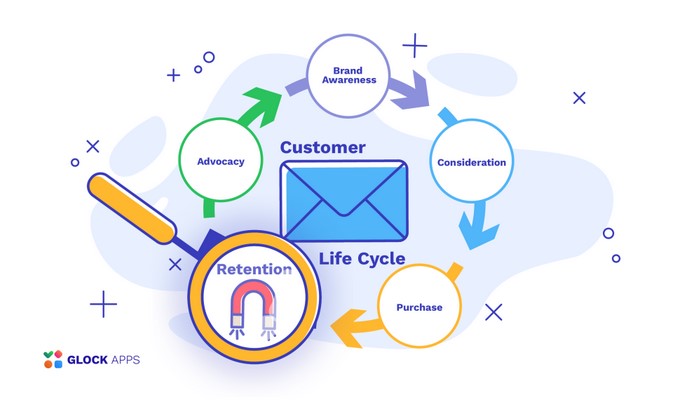
In today’s competitive digital marketplace, customer retention is just as important as acquisition. However, it’s not uncommon for customers to lose interest over time, even after a strong initial relationship. That’s where a well-thought-out re-engagement email strategy comes into play. By sending targeted, personalized emails to inactive customers, businesses can reawaken interest, reignite relationships, and drive conversions without having to start from scratch. Crafting a successful re-engagement email strategy requires understanding the reasons behind customer disengagement and implementing email tactics that speak directly to their needs. In this article, we’ll explore how to craft a re-engagement email strategy that not only captures attention but also converts inactive subscribers into loyal customers.

Why You Need a Re-Engagement Email Strategy

Customer disengagement is an inevitable part of business life. Whether due to a shift in preferences, changing priorities, or simply forgetting about your brand, customers may eventually become inactive. But instead of letting them fade away, it’s essential to re-engage them—particularly because re-engaging an existing customer is far less expensive than acquiring a new one.

A well-crafted re-engagement email strategy helps you reconnect with those subscribers, remind them of the value your product or service provides, and motivate them to take action once again. Without a strategy in place, businesses risk seeing their email lists become stale, leading to lower engagement rates, higher unsubscribe rates, and missed opportunities to boost revenue.

The key to successful re-engagement is personalization, timing, and value. By understanding why a customer disengaged, segmenting your email list accordingly, and sending content that resonates with their interests, you can significantly increase the chances of reigniting their interest in your brand.

Key Components of a Successful Re-Engagement Email Strategy

A re-engagement email strategy isn’t a one-size-fits-all solution—it requires careful consideration of customer behavior, message timing, and content personalization. Below are the key components that will ensure your re-engagement efforts are effective:

1. Segment Your Audience Based on Engagement History

Before sending out re-engagement emails, you need to segment your audience to tailor the messages effectively. Not all inactive subscribers are the same. Some may have stopped engaging with your emails after only a few interactions, while others may have been completely disengaged for months. By segmenting your email list, you can craft more relevant content that speaks to the specific reasons behind their inactivity.

  • Highly Engaged, Recently Inactive: These customers might have simply forgotten about your brand, or their priorities may have shifted temporarily. A gentle reminder or an exclusive offer could be the nudge they need.
  • Engaged in the Past, Now Silent: These subscribers might be a bit more difficult to win back, but with the right incentive, such as a compelling offer, you could reignite their interest.
  • Long-Term Inactive Subscribers: These individuals might need a more significant incentive, such as a larger discount, an update on new offerings, or a rebranding message that demonstrates why your company is now more relevant to them than ever.

Segmenting your list in this way will increase the chances of crafting a targeted email that resonates with each recipient.

2. Create Compelling Subject Lines

The subject line is the first impression your re-engagement email will make. If it doesn’t grab attention, it’s likely to end up in the trash folder. The subject line must create curiosity, spark interest, or offer immediate value. Here are some tactics to consider:

  • Personalization: Use the recipient’s name or reference their past activity with your brand.
  • Urgency: Create a sense of urgency with phrases like “Last chance” or “Don’t miss out.”
  • Value Proposition: Highlight a benefit or offer right in the subject line, such as “Your exclusive discount inside.”

A/B testing subject lines is an effective way to figure out which type of messaging works best with different customer segments.

3. Craft Engaging Content

The content within your re-engagement emails should be both relevant and compelling. It’s essential to focus on delivering value and addressing the potential reasons your customer may have disengaged. Here are some strategies for effective content:

  • Personalized Offers: Consider offering a special discount, a free trial, or an exclusive deal tailored to the recipient’s past behavior with your brand. For example, if they previously purchased a product, offer a complementary item at a discount.
  • Showcase New Products or Features: If there’s been a major product update, new releases, or features added to your offering, highlight them. Customers may have become disengaged simply because they were no longer aware of how your product or service could meet their current needs.
  • Remind Them of What They’re Missing: Sometimes, simply reminding subscribers of the value they’re missing out on is enough to rekindle interest. This could involve showing them personalized recommendations based on their previous interactions with your brand.
  • Engaging Visuals: Including eye-catching images, videos, or interactive elements can make your email more engaging and improve the chances that recipients will take action.

4. Timing is Everything

The timing of your re-engagement emails is crucial to their success. Sending a re-engagement email too early may feel intrusive, while waiting too long may result in missed opportunities. It’s important to monitor customer activity and identify the right window for sending your re-engagement email.

  • Early Reminders: For those who have been inactive for a shorter time, a simple reminder or an update about new offerings can be effective. This could be as simple as, “We missed you! Here’s what’s new at [Your Brand].”
  • Follow-Up Emails: For customers who haven’t responded to the first re-engagement email, sending a follow-up with an additional incentive, such as a special discount or a limited-time offer, can further motivate them to take action.
  • Automated Triggers: Setting up automated email workflows based on triggers, such as a customer not opening an email or abandoning a cart, can ensure timely communication and consistent engagement efforts.

5. Include a Clear Call to Action (CTA)

A strong re-engagement email should include a clear and compelling call to action (CTA). Whether you want customers to make a purchase, revisit their account, or simply open an email, the CTA should be easy to understand and actionable. Use action verbs and keep the CTA simple, such as “Claim your 20% discount now” or “Check out our new arrivals.”

Make sure the CTA stands out visually by using contrasting colors and placing it strategically within the email so that it’s easy for recipients to find.

6. Monitor, Analyze, and Optimize

Like any other email marketing effort, re-engagement email strategy requires constant analysis and optimization. Monitor open rates, click-through rates, conversion rates, and unsubscribe rates to gauge the effectiveness of your campaigns. Regularly analyze the data to see what’s working and what’s not, and make adjustments accordingly. Testing different subject lines, offers, content, and CTAs can help you refine your strategy and improve performance over time.

A well-executed re-engagement email strategy can help you revive relationships with inactive customers, turning them back into loyal advocates for your brand. By segmenting your audience, crafting personalized offers, and delivering engaging content, you can increase the likelihood of converting disengaged customers into active buyers. Timing, personalization, and clear calls to action are essential elements of a successful strategy. As with all email marketing efforts, continuous testing, monitoring, and optimization will ensure that your re-engagement emails continue to produce results, keeping your customer base active, engaged, and loyal for the long term.

Business Metrics Tracking for Smarter Decision-Making

Source:https://sloanreview.mit.edu

In today’s fast-paced business environment, success hinges not only on the quality of products or services but also on the ability to make informed, data-driven decisions. Business metrics tracking has become an essential practice for leaders and teams, helping them measure performance, identify trends, and make strategic choices that drive growth and profitability. Without proper tracking and analysis of key metrics, businesses risk losing sight of their goals and may make decisions based on assumptions rather than data. In this article, we will explore why business metrics tracking is crucial for smarter decision-making and how organizations can implement it effectively to optimize performance.

The Importance of Business Metrics Tracking

Business metrics tracking is the process of collecting, analyzing, and using data to evaluate the performance of various aspects of your business. Whether it’s sales figures, customer satisfaction, or operational efficiency, tracking the right metrics provides insights that guide better decision-making. These insights help leaders understand what’s working, what’s not, and where improvements are needed.

Effective business metrics tracking can have a significant impact on:

  • Strategic Decision-Making: Metrics help in setting clear goals and objectives. By tracking progress against these goals, you can make informed decisions about the next steps.
  • Performance Monitoring: By continuously monitoring key performance indicators (KPIs), businesses can assess the health of operations and quickly identify areas that require attention.
  • Cost Efficiency: Metrics can highlight inefficiencies, waste, or areas where costs are disproportionate to outcomes, allowing companies to optimize their resources.
  • Customer Insights: Tracking customer metrics such as satisfaction, retention rates, and purchasing behavior enables businesses to make decisions that directly enhance customer experience.
  • Growth and Scalability: Metrics also help measure growth and identify scalable strategies. Understanding what drives growth will help replicate success across different parts of the business or in new markets.

Key Metrics Every Business Should Track

While every business is unique, certain metrics are universally important for decision-making. Below are some key business metrics that every organization should track to foster smarter decision-making.

1. Revenue Metrics

Revenue is the most fundamental business metric. However, tracking revenue goes beyond just looking at the total sales number. There are several revenue-related metrics that provide deeper insights:

  • Recurring Revenue: For subscription-based businesses, tracking recurring revenue helps forecast future cash flows and gauge long-term business health.
  • Revenue Growth Rate: This metric helps businesses track the rate at which their revenues are growing. It’s a critical indicator of business expansion and market acceptance.
  • Average Revenue Per User (ARPU): For businesses with many small customers, ARPU helps track how much each customer contributes to overall revenue, allowing companies to assess customer value.

2. Customer Acquisition Cost (CAC)

Understanding how much it costs to acquire a new customer is crucial for making informed decisions about sales and marketing strategies. Customer acquisition cost (CAC) is the total cost spent on acquiring a new customer, including marketing, sales, and any associated operational costs.

Tracking CAC helps businesses understand whether their marketing strategies are cost-effective and if they’re reaching the right audience. By comparing CAC with customer lifetime value (CLV), businesses can make smarter decisions on budget allocation and refine their acquisition strategies.

3. Customer Lifetime Value (CLV)

Customer Lifetime Value is the total amount of money a customer is expected to bring in over the entire duration of their relationship with the business. CLV allows businesses to understand the long-term value of their customer base, which helps in making decisions regarding marketing spend, customer retention efforts, and pricing strategies.

When combined with CAC, CLV offers insights into whether the company is acquiring customers at a profitable rate. This metric helps prioritize high-value customers, optimize customer service efforts, and design loyalty programs that increase retention and sales.

4. Churn Rate

Churn rate is the percentage of customers who stop doing business with a company during a specific period. High churn rates can indicate problems with product quality, customer service, or market fit. Tracking churn rate regularly helps businesses make decisions about product development, customer support, and retention programs.

For SaaS or subscription-based businesses, churn rate is especially critical because retaining existing customers is often more cost-effective than acquiring new ones.

5. Employee Productivity and Engagement

Employees are one of the most valuable assets of any business, so tracking employee productivity and engagement is essential for optimizing performance. Metrics such as sales per employee, task completion time, and engagement scores help measure how well employees are performing and how motivated they are.

Tracking these metrics can help leadership understand areas where employees may be underperforming or disengaged. This allows the organization to take corrective actions, whether it’s through better training, improved management, or more motivating work environments.

6. Operational Efficiency Metrics

Business operations, from supply chain to production, can significantly impact profitability and customer satisfaction. Tracking operational efficiency metrics, such as production costs, order fulfillment times, and inventory turnover, helps businesses streamline their operations and make smarter decisions.

For example, if inventory turnover is low, it could indicate overstocking, which ties up capital and leads to storage costs. By tracking such metrics, companies can make data-driven decisions to improve operational efficiency and reduce waste.

Implementing Effective Business Metrics Tracking

Now that we’ve identified the key business metrics that matter, the next question is: How can you implement effective business metrics tracking in your organization? Here are some practical steps to ensure that your metrics tracking leads to smarter decision-making:

1. Define Clear Objectives and KPIs

Before you start tracking metrics, it’s essential to define what success looks like for your business. Set clear business objectives and identify the key performance indicators (KPIs) that align with these objectives. For instance, if your goal is to increase sales, your KPIs could include metrics like revenue growth, conversion rate, and average transaction size.

2. Use the Right Tools

Modern technology offers a wide range of tools and software to help businesses track and analyze their metrics. Platforms like Google Analytics, Tableau, and Salesforce can provide real-time data and reports that allow you to monitor performance across different areas of your business. These tools can aggregate data from various departments, enabling you to make decisions based on a comprehensive view of your business.

3. Regular Reporting and Review

Metrics tracking is not a one-time activity; it’s an ongoing process. Regular reporting and review of the metrics are necessary to stay on top of trends and performance. Establish a routine for monitoring your KPIs—whether it’s weekly, monthly, or quarterly—and review the data with your team to discuss potential adjustments in strategy or operations.

4. Make Data-Driven Decisions

Once you have gathered and analyzed your data, use it to inform decisions. Whether you’re launching a new marketing campaign, optimizing your sales process, or improving customer service, metrics should drive your strategy. Avoid making decisions based on gut feeling or assumptions—let the data guide you.

5. Continuous Improvement

The key to sustained growth is continuous improvement. By regularly tracking metrics and assessing business performance, you can identify areas for improvement and implement changes accordingly. Establish a feedback loop where insights from business metrics tracking are used to refine strategies, products, and customer experiences.

In conclusion, business metrics tracking is a powerful tool that allows businesses to make smarter, more informed decisions. Whether you’re focusing on revenue, customer acquisition, or operational efficiency, tracking the right metrics helps you gain a clear understanding of what’s working and what needs improvement. Implementing a robust system for tracking business metrics and using that data to guide decisions can lead to better outcomes, improved performance, and a more sustainable business model. In an increasingly data-driven world, leveraging metrics tracking is no longer optional—it’s essential for long-term success and growth.

Clean Tech Startups to Watch in the Sustainability Space

Source:https://pitch.pe

As the world grapples with the challenges posed by climate change, the need for sustainable solutions has never been more urgent. In response, clean tech startups have emerged as key players in driving innovative technologies designed to reduce environmental impact and promote sustainability. These startups are at the forefront of revolutionizing industries ranging from energy and transportation to agriculture and waste management. In this article, we will explore some of the most exciting clean tech startups to watch in the sustainability space, highlighting their innovative approaches and the impact they’re having on the planet’s future.

1. The Rise of Clean Tech Startups

The clean tech industry has seen rapid growth over the last decade, spurred by increasing awareness of environmental issues, government regulations, and a shift towards renewable energy sources. Clean tech startups are leveraging emerging technologies such as artificial intelligence, machine learning, and advanced materials to create solutions that not only mitigate environmental harm but also enhance efficiency and sustainability across various sectors.

Subheading: Clean Energy Innovation

One of the most significant areas where clean tech startups are making waves is in renewable energy. Companies in this space are developing cutting-edge technologies to harness solar, wind, hydro, and geothermal energy in more efficient and cost-effective ways. Solar energy, in particular, has seen a tremendous leap forward, with startups creating new solar panels that are more efficient, cheaper, and even adaptable to various environments.

For example, Heliogen, a clean tech startup, uses artificial intelligence to focus sunlight with unprecedented precision, providing an alternative to fossil fuels in industries like steel manufacturing. This innovation could help cut global carbon emissions by a significant amount, making Heliogen a company to watch.

Another notable startup is Carbon Clean Solutions, which is revolutionizing the way carbon emissions are captured and reused. By creating innovative solutions for carbon capture, this company is helping industries like cement and steel production reduce their carbon footprint, a major challenge for industries that are traditionally difficult to decarbonize.

Subheading: Energy Storage and Distribution

As renewable energy generation becomes more widespread, effective energy storage and distribution systems are critical to ensuring that energy is available when needed. Clean tech startups are addressing these challenges with breakthrough solutions in battery technology, grid management, and storage systems.

Form Energy is a standout in the energy storage space, developing a new type of battery that can store electricity for days rather than hours. Their iron-air battery technology promises to lower the cost of long-duration energy storage, which is essential for integrating renewable energy sources into the grid on a large scale.

Similarly, Energy Vault is working on an innovative solution to store renewable energy using gravity-based technology. Their systems store energy by lifting heavy concrete blocks and then releasing the stored potential energy when needed. This novel approach has the potential to drastically reduce the cost of large-scale energy storage, helping renewable energy sources become more reliable and scalable.

2. Sustainable Transportation: Revolutionizing Mobility

Transportation is a significant contributor to global carbon emissions, with cars, trucks, and planes being major offenders. As such, clean tech startups are playing a pivotal role in transforming the way people and goods move, particularly in the realm of electric vehicles (EVs), alternative fuels, and sustainable transportation infrastructure.

Subheading: Electric Vehicles and Infrastructure

The electric vehicle market is booming, and startups are working hard to advance electric vehicle technology, improve battery efficiency, and build the infrastructure required for EV adoption. One such startup is Rivian, which focuses on producing electric trucks and SUVs with cutting-edge technology and a commitment to sustainability. Rivian’s vehicles are not only designed to be environmentally friendly, but they also incorporate renewable materials and sustainable manufacturing processes.

Another notable player is Lucid Motors, a luxury electric car startup that is redefining performance and efficiency in the EV space. Their flagship model, the Lucid Air, boasts a long range per charge and a luxurious, sustainable interior, positioning the company as a leader in the high-end electric vehicle market.

The success of electric vehicles relies on having a robust charging infrastructure, and ChargePoint is leading the way in this area. As one of the largest networks of EV charging stations, ChargePoint is playing an essential role in making electric vehicles a practical and viable alternative to traditional gas-powered cars.

Subheading: Alternative Fuels and Clean Aviation

Apart from electric vehicles, startups are also focusing on alternative fuels, particularly in industries like aviation. ZeroAvia is developing hydrogen-powered aircraft, which could eliminate the carbon emissions associated with air travel. By replacing jet fuel with hydrogen, the company aims to make aviation more sustainable without compromising on performance or passenger comfort.

In a similar vein, Lilium is creating electric vertical takeoff and landing (eVTOL) aircraft that could transform air travel, particularly in urban environments. These aircraft are designed to operate on clean energy and reduce traffic congestion by providing a new mode of transportation in cities. While still in the development stage, these startups are providing a glimpse into the future of clean, urban air mobility.

3. Circular Economy: Reducing Waste and Recycling More Efficiently

One of the most promising areas for clean tech startups is in the circular economy, which seeks to reduce waste, promote recycling, and extend the lifespan of products. By shifting from a traditional “take-make-dispose” model to one that focuses on reuse, repair, and recycling, startups are helping businesses reduce their environmental impact while creating new economic opportunities.

Subheading: Waste Management and Recycling Technologies

In the waste management sector, clean tech startups are working on innovative technologies to reduce landfill waste and recycle materials more efficiently. Rubicon, a digital waste and recycling company, uses technology to optimize waste collection routes and provide businesses with data-driven insights on how to minimize waste and improve recycling rates.

Similarly, LanzaTech has developed a process that captures carbon emissions from industrial sources and converts them into useful products, such as fuel and chemicals. This technology not only helps reduce emissions but also contributes to a circular economy by turning waste into valuable materials.

Another exciting startup is Wasteless, which uses AI to help retailers reduce food waste by dynamically pricing products based on their shelf life. This technology allows grocery stores to lower prices on items nearing their expiration date, reducing food waste while also benefiting consumers.

In conclusion, clean tech startups are shaping the future of sustainability through groundbreaking innovations across various sectors. From renewable energy solutions and electric vehicles to waste management and sustainable transportation, these startups are not just driving technological advancements—they are helping to build a more sustainable world. As global awareness of climate change grows and the demand for green solutions intensifies, these startups are poised to lead the charge in creating a cleaner, more sustainable future. By supporting and investing in these companies, businesses, and consumers alike can contribute to a global shift towards a more eco-friendly and economically viable world.

1 2