
Launching Effective Coaching and Mentoring Programs
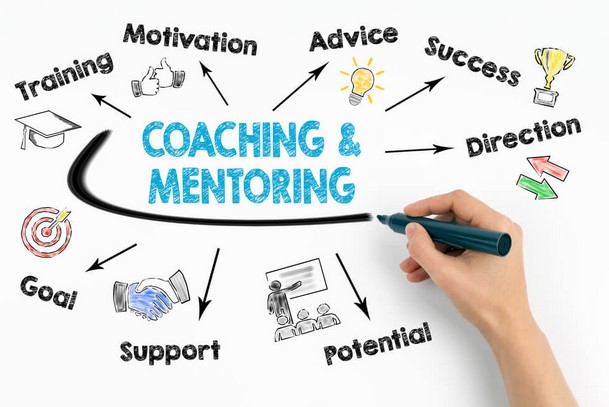
Source:https://trainingmag.com
In an increasingly complex and competitive professional environment, organizations are recognizing that long-term success depends on continuous learning and people development. One of the most impactful ways to achieve this is through Coaching and mentoring programs, which provide structured guidance, knowledge sharing, and personalized development opportunities. When designed effectively, these programs not only enhance individual performance but also strengthen organizational culture, leadership pipelines, and overall business resilience. This article explores how to launch coaching and mentoring initiatives that are purposeful, sustainable, and aligned with strategic goals.
Defining the Purpose and Structure of Development Programs
The foundation of any successful coaching or mentoring initiative begins with a clear purpose. Organizations must first identify what they aim to achieve through the program. Objectives may include leadership development, employee engagement, skills transfer, succession planning, or onboarding support for new hires. Without a defined purpose, programs risk becoming unfocused and underutilized.
Once goals are established, the next step is selecting the appropriate structure. Coaching and mentoring, while related, serve different functions. Coaching is typically goal-oriented and performance-focused, often involving short- to medium-term engagements centered on specific outcomes. Mentoring, on the other hand, is usually relationship-driven and long-term, emphasizing career guidance, professional growth, and experiential learning.
Determining whether the program will be formal, informal, or hybrid is another critical decision. Formal programs offer structure, defined timelines, and clear expectations, making them easier to measure and manage. Informal programs provide flexibility and organic relationship-building but may lack consistency. A hybrid approach often delivers the best balance by providing a framework while allowing room for personalization.
Equally important is defining roles and responsibilities. Participants should clearly understand what is expected of coaches, mentors, and mentees. Setting guidelines for meeting frequency, confidentiality, goal setting, and progress tracking helps establish accountability and ensures a productive experience for all involved.
Selecting and Preparing the Right Participants
The effectiveness of a coaching or mentoring program is heavily influenced by the quality and readiness of its participants. Careful selection of coaches and mentors is essential. These individuals should not only possess technical expertise or leadership experience but also demonstrate strong communication skills, empathy, and a genuine interest in developing others.
Providing preparation and training for coaches and mentors significantly increases program success. Even experienced leaders may benefit from guidance on active listening, feedback techniques, and goal alignment. Training ensures consistency in approach and equips mentors and coaches with the tools needed to support diverse participants effectively.
Matching participants thoughtfully is another crucial factor. Compatibility in terms of goals, communication styles, and professional interests can greatly enhance the quality of the relationship. Some organizations use assessments or structured interviews to inform matching decisions, while others allow participants to express preferences. Regardless of the method, intentional matching increases engagement and reduces the likelihood of disengagement.
Creating a Supportive Learning Environment
Beyond individual relationships, the broader organizational environment plays a significant role in program success. Leadership support is vital. When senior leaders actively endorse and participate in coaching and mentoring initiatives, it sends a clear message that development is a priority.
Creating a culture that values learning, openness, and feedback encourages participants to engage fully. This includes providing time and resources for meetings, recognizing contributions from mentors and coaches, and celebrating milestones achieved through the program. Without organizational support, even well-designed programs may struggle to gain traction.
Technology can also enhance program delivery. Digital platforms can help manage participant matching, scheduling, progress tracking, and feedback collection. These tools are especially valuable for larger or geographically dispersed organizations, ensuring consistency and accessibility across locations.
Measuring Impact and Ensuring Long-Term Sustainability
To remain effective, coaching and mentoring programs must be evaluated regularly. Measurement should align with the original objectives of the initiative. Common metrics include participant satisfaction, goal achievement rates, skill development, retention levels, and leadership readiness. Both qualitative feedback and quantitative data are important for gaining a comprehensive understanding of program impact.
Continuous improvement should be built into the program design. Feedback from participants can highlight areas for refinement, such as training needs, matching processes, or structural adjustments. Regular reviews ensure the program evolves alongside organizational priorities and workforce needs.
Sustainability also depends on recognition and reward. Acknowledging the time and effort invested by coaches and mentors encourages continued participation and reinforces the value of knowledge sharing. Recognition does not always need to be financial; public acknowledgment, career development opportunities, or formal certifications can be equally motivating.
Finally, integrating coaching and mentoring initiatives into broader talent management strategies enhances their long-term value. When these programs support performance management, leadership development, and succession planning, they become integral to organizational success rather than standalone activities.
Launching effective development initiatives requires thoughtful planning, committed leadership, and a clear focus on people-centered growth. Well-designed Coaching and mentoring programs empower individuals to reach their potential while strengthening organizational capability and culture. By defining clear objectives, preparing participants, fostering a supportive environment, and continuously measuring impact, organizations can create sustainable programs that deliver meaningful results and long-term competitive advantage.