
Trademark vs Copyright: What Your Business Needs to Know
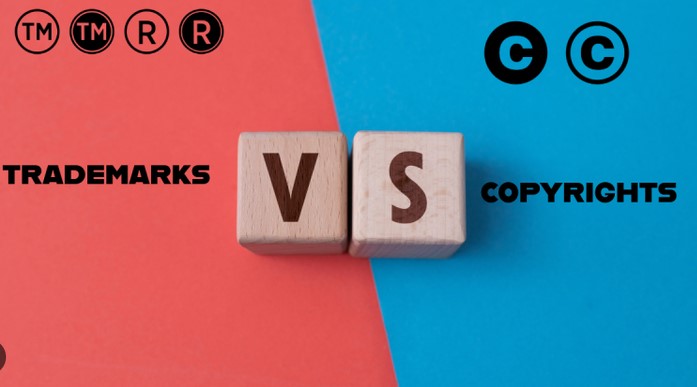
Source:https://media.licdn.com
A few years ago, an ambitious e-commerce founder reached out to my office in a complete panic. She had spent 14 months building a stylish apparel brand, growing her social following to 50,000 users, and generating over $300,000 in early revenue. Then, out of nowhere, she received a formal cease-and-desist letter from a legacy brand demanding she rebrand immediately, destroy all remaining inventory, and hand over her domain name.
Her mistake? She had registered the copyright for her custom illustrations and photography, assuming that automatically protected her business name and logo. She completely overlooked securing a trademark.
That single legal misunderstanding cost her nearly $80,000 in rebranding fees, lost inventory, and legal settlements.
Navigating the landscape of trademark vs copyright is not just an academic exercise for corporate lawyers—it is a core asset-protection strategy for every business owner. Over my 10+ years advising startups and growth-stage companies, I have seen brilliant ventures get crippled simply because they didn’t know which legal shield protected which asset.
If you want to safeguard your hard-earned IP without burning through legal retainers, this deep-dive guide breaks down the critical mechanics of IP protection in plain English.
The Core Difference: Brand Identity vs. Creative Expression
Many entrepreneurs mistakenly bundle trademarks, copyrights, and patents into one single bucket called “legal stuff.” To build a resilient business asset portfolio, you must separate them based on their true strategic functions.
Think of your company as a commercial building:
-
Trademark is the physical sign above the door, the recognizable logo on the window, and the distinct corporate slogan. It tells customers who built the store and keeps competitors from setting up an identical sign next door.
-
Copyright is the structural architecture, the original artwork hanging on the interior walls, the written instruction manuals, and the proprietary software running the cash register. It protects the original creative expressions inside the business.
+-------------------------------------------------------------------+
|               INTELLECTUAL PROPERTY ASSET ARCHITECTURE            |
+-------------------------------------------------------------------+
|  [ TRADEMARK ]                  |  [ COPYRIGHT ]                  |
|  Protects: Brand Identity       |  Protects: Creative Expression  |
|  Examples: Logos, Names, Taglines|  Examples: Code, Books, Media    |
|  Purpose: Source Identifier     |  Purpose: Authorship Rights     |
+-------------------------------------------------------------------+
|                  ENTERPRISE ASSET PROTECTION MOAT                 |
+-------------------------------------------------------------------+
Understanding this operational distinction yields three crucial advantages:
-
Targeted Legal Spending: Avoid wasting capital filing copyright applications for short slogans that only qualify for trademark protection.
-
Asset Valuation Security: Investors and acquiring entities audit your legal chain of title. Proper IP protection directly inflates your company’s exit valuation.
-
Enforceable Defensibility: Knowing the exact jurisdiction of your rights allows you to issue swift, enforceable takedown notices when competitors copy your work.
1. Demystifying Trademarks: Protecting Your Brand in the Marketplace
A trademark exists primarily to prevent consumer confusion in the marketplace. It serves as a visual or auditory beacon that connects a product or service directly to its source of origin.
What Can (and Cannot) Be Trademarked?
Trademarks cover assets that identify your commercial brand:
-
Business Names & Trading Names: E.g., Nike, Apple, Starbucks.
-
Logos & Brand Symbols: E.g., The golden arches, the iconic swoosh.
-
Slogans & Taglines: E.g., “Just Do It,” “Think Different.”
-
Distinctive Packaging (Trade Dress): E.g., The unique shape of a Coca-Cola bottle.
THE STRENGTH OF TRADEMARKS RANKING

[ Generic ] ---> [ Descriptive ] ---> [ Suggestive ] ---> [ Arbitrary / Fanciful ]
 (Unprotectable)   (Hard to Protect)   (Strong)           (Strongest Protection)
Pro Tip from Experience: Avoid generic or purely descriptive names like “Fast Delivery Logistics.” The USPTO (United States Patent and Trademark Office) and international IP registries heavily favor arbitrary or coined terms like “Exxon” or “Spotify.” The more unique the word is in relation to your product category, the stronger your legal protection will be.
2. Unpacking Copyright: Safeguarding Original Works of Authorship
Copyright protection grants the creator exclusive legal rights to use, reproduce, distribute, perform, and display creative works. The moment an original idea is fixed in a tangible medium—written on paper, recorded on audio, or saved in a digital file—copyright protection exists automatically.
What Does Copyright Cover?
Copyright covers tangible, creative expressions, including:
-
Written Content: eBooks, blog posts, whitepapers, training manuals, and sales copy.
-
Visual & Audio Media: Photography, promotional videos, podcasts, and graphic designs.
-
Software & Code: Source code, app frameworks, and proprietary algorithms.
-
Architectural & Sculptural Works: Original physical product designs and structural blueprints.
| Asset Category | Primary Protection Instrument | Typical Duration of Protection |
| Company Name & Logo | Trademark | Indefinite (if renewed every 10 years & used commercially) |
| Software Code & App UI | Copyright | Author’s life + 70 years (or 95 years from publication for corporations) |
| Marketing Tagline | Trademark | Indefinite (subject to continuous commercial use) |
| Instruction Manuals & Books | Copyright | Author’s life + 70 years (or 95 years for corporate works) |
3. Key Differences: Trademark vs Copyright Comparison
To ensure your operational team executes the correct strategy, analyze this direct comparison breakdown:
1. Registration vs. Automatic Protection
-
Copyright: Created automatically upon creation. However, formal registration with the Copyright Office is mandatory if you want to file a federal lawsuit and claim statutory damages in court.
-
Trademark: Common law rights exist upon commercial use (symbolized by ™), but federal registration (symbolized by ®) gives you nationwide priority rights and exclusive commercial ownership.
2. Lifespan and Maintenance Requirements
-
Copyright: Lasts for a limited duration—typically the life of the author plus 70 years, or 95 years from publication for work-for-hire assets created by corporate employees.
-
Trademark: Can last forever, provided you continue using the mark in commerce and file your maintenance documents on time (typically between years 5–6 and every 10 years thereafter).
Hidden Warning: Many founders hire freelance developers or designers on sites like Upwork and assume they own the copyright to the code or logo created. Under copyright law, independent contractors retain ownership of their creations unless you execute a signed contract containing an explicit “Work-Made-For-Hire” clause and a complete assignment of intellectual property rights.
4. Strategic Integration: Building a Comprehensive IP Shield
High-growth businesses do not choose between trademarks and copyrights—they combine them strategically to create an unassailable competitive moat.
THE DUAL-PROTECTION SHIELD

              +------------------------------------------+
              |           YOUR COMMERCIAL PRODUCT        |
              +------------------------------------------+
                                   |
         +-------------------------+-------------------------+
         |                                                   |
         v                                                   v
  [ TRADEMARK LAYER ]                                 [ COPYRIGHT LAYER ]
  Protects: Brand Name,                              Protects: Product Manuals,
  Packaging & Logo Mark                              Codebase & Video Content
Operational Steps for Maximum IP Defense
-
Perform a Comprehensive Clearance Search: Before spending thousands of dollars on branding, perform a thorough search via trademark registries (like TESS) to ensure your desired business name isn’t already taken in your classification class.
-
Lock Down Contractor IP Assignments: Ensure every employment contract, vendor agreement, and freelancer brief includes strict IP transfer language.
-
Register High-Value Core Assets Early: File trademark applications for your primary brand name and logo immediately upon launching. Register core codebase versions and flagship publications with the Copyright Office within 90 days of release to lock in statutory damage rights.
The Master IP Audit Checklist for Business Owners
Use this actionable checklist to audit your company’s current intellectual property setup:
-
[ ] Trademark Search: Verified that your business name and primary logo do not infringe on existing active trademarks.
-
[ ] Symbol Verification: Used ™ for unregistered trademarks in use, and reserve ® strictly for federally registered marks.
-
[ ] IP Ownership Audit: Secured signed “Work-Made-For-Hire” assignment contracts with all past and present freelancers, agencies, and developers.
-
[ ] Copyright Filings: Formally registered core software codebases, proprietary books, or key video series with the Copyright Office.
-
[ ] Maintenance Tracking: Set calendar triggers for trademark renewal filings (5-year and 10-year milestones).
-
[ ] Brand Guidelines: Created internal standards on how your logo, tagline, and brand marks must be presented by partners.
-
[ ] International Defense: Evaluated international trademark filings (via Madrid Protocol) if selling products overseas.
-
[ ] Monitoring Protocols: Set up Google Alerts and trademark monitoring tools to catch unauthorized third-party use early.
Final Thoughts: Secure Your Assets Before You Scale
Scaling a business without protecting your intellectual property is like building a luxury house on land you don’t own. The bigger your revenue grows, the more vulnerable you become to copycats, trolls, and costly rebrand orders.
Over a decade of working with founders has taught me one fundamental truth: legal preparation always costs a fraction of legal remediation. By taking the time to understand the distinct roles of trademark vs copyright, locking down your rights early, and building a structured IP portfolio, you secure the true equity and value of your business.
Audit your brand assets today, identify where your intellectual property is exposed, and build a legal shield that protects your hard work for years to come.
Over to You!
Have you audited your company’s intellectual property assets recently? Are you currently navigating trademark registration or working out IP ownership contracts with freelancers? Drop your questions or insights in the comments below—let’s dive into the discussion!