Exit Interview Best Practices to Gain Actionable Insights

Source:https://www.greatplacetowork.com

In any organization, employee turnover is inevitable. Whether due to personal reasons, career advancement, or dissatisfaction with the workplace environment, employees leave for various reasons. To better understand these reasons and improve the work environment, conducting a well-organized and insightful exit interview is essential. Exit interview best practices play a crucial role in extracting valuable feedback from departing employees. When done correctly, these interviews can provide actionable insights that help companies retain top talent, refine their processes, and ultimately create a more positive workplace culture. In this article, we’ll explore the key elements that make up the best exit interview practices and how they can be leveraged to drive meaningful organizational change.

1. Creating a Safe and Open Environment

The success of an exit interview is largely dependent on creating an environment where the employee feels safe, respected, and encouraged to share honest feedback. Often, departing employees may feel apprehensive about sharing their true thoughts, especially if they are leaving due to dissatisfaction or negative experiences. It is important to approach these interviews with empathy, transparency, and a clear commitment to using the feedback for positive change.

Subheading: Set the Right Tone from the Start

To ensure a productive conversation, it’s critical to set the right tone at the beginning of the exit interview. Start by explaining the purpose of the interview clearly — which is to gather feedback that will help the organization improve. Reassure the employee that their responses will be kept confidential and that there are no right or wrong answers. The objective is not to evaluate the individual’s performance but to understand their experience within the company.

It is essential to approach the interview in a neutral and non-confrontational manner. Avoid making assumptions or judgments based on the reasons for the employee’s departure. For instance, if the employee is leaving due to issues with management, asking open-ended questions will encourage them to speak candidly without fear of retribution.

Subheading: Encourage Honest and Constructive Feedback

The goal of the exit interview is not only to learn why the employee is leaving but also to uncover any hidden issues that could impact the company’s culture or operations. Ask open-ended questions that allow the employee to speak freely about their experiences. Questions like “What could we have done differently?” or “What aspect of your role did you find most challenging?” invite thoughtful and honest responses.

It’s important to listen actively and refrain from interrupting the employee during the interview. Some of the feedback may be difficult to hear, but it’s crucial to approach it with an open mind. The more transparent and constructive the feedback is, the more valuable it will be for the organization moving forward.

2. Standardize the Exit Interview Process

While the personal circumstances of each employee may vary, having a standardized exit interview process helps ensure consistency and reliability in the data you gather. A standardized process allows you to compare feedback over time, identify patterns, and gain insights that can guide strategic changes in the company.

Subheading: Use a Consistent Set of Questions

To ensure that you capture relevant information across all exit interviews, create a standardized set of questions that can be asked during each interview. These questions should cover key areas like:

  • Reason for leaving (e.g., career growth, work environment, personal reasons)
  • Job satisfaction (e.g., role clarity, team dynamics, leadership)
  • Company culture (e.g., values, communication, work-life balance)
  • Opportunities for growth and development (e.g., training, promotion potential)
  • Suggestions for improvement (e.g., processes, policies, management style)

While it’s essential to maintain consistency, it’s also helpful to allow some flexibility for the employee to provide additional context or discuss unique issues they faced. A combination of standard questions and room for open discussion will provide both quantitative and qualitative insights.

Subheading: Leverage Technology for Data Collection

To streamline the process and make it easier to analyze responses, consider using technology to collect and store exit interview data. Online survey tools or HR software can automate the collection of responses, making it easier to track trends over time. This can be especially helpful for larger organizations with higher turnover rates.

Data analysis tools can also help identify common themes or recurring issues that employees face, allowing you to address these problems at the organizational level. For example, if multiple employees cite a lack of career advancement opportunities as a reason for leaving, this could signal the need for changes to internal promotion policies or professional development programs.

3. Act on the Insights: Closing the Feedback Loop

One of the most important exit interview best practices is ensuring that the feedback you gather leads to actionable change. Collecting feedback is only the first step — it’s what you do with that information that truly counts. Closing the feedback loop by acting on the insights gained during exit interviews not only improves your company’s work environment but also shows current employees that their opinions are valued.

Subheading: Analyze and Identify Trends

Once you’ve gathered the exit interview data, analyze the results for any patterns or recurring themes. Pay attention to both positive and negative feedback. For instance, if multiple employees mention they were dissatisfied with the same process or management style, it’s essential to address those areas.

By identifying these trends, you can prioritize issues that need immediate attention, such as improving communication within teams, offering more career growth opportunities, or adjusting compensation packages to remain competitive. Sometimes, changes may be small, such as improving onboarding procedures, while other times, more significant changes, like restructuring teams or revising company policies, may be necessary.

Subheading: Share Results with Key Stakeholders

Once you’ve gathered insights from exit interviews and identified areas for improvement, it’s important to share the findings with relevant stakeholders, including HR, management, and team leads. These insights can inform decisions about training, employee retention strategies, and changes to workplace culture. Make sure to communicate that changes will be made based on the feedback received.

For current employees, it’s crucial to communicate any changes implemented as a result of exit interviews. This not only demonstrates that you take feedback seriously but also helps reinforce a culture of continuous improvement. Employees are more likely to stay engaged if they feel their voices are heard and that the company is actively working to improve based on their feedback.

In conclusion, exit interview best practices are invaluable tools for gaining actionable insights that can help businesses retain talent, improve organizational culture, and enhance operational efficiency. By creating a safe environment for honest feedback, standardizing the interview process, and acting on the data collected, organizations can make informed decisions that foster growth and long-term success. By continuously refining the way you conduct exit interviews, your organization can turn employee departures into an opportunity for continuous improvement and employee satisfaction.

Contracts for Freelancers: What Every Business Should Include

Source:https://educaloi.qc.ca

In today’s dynamic business world, many companies are turning to freelancers for a wide range of services, from design and marketing to software development and content creation. However, one key aspect often overlooked is the importance of having clear and comprehensive contracts for freelancers. A well-structured contract not only protects both the business and the freelancer but also sets clear expectations for the project. Without a proper agreement, misunderstandings, delays, and potential legal issues can arise. This article explores what every business should include in their freelance contracts to ensure smooth collaborations and avoid unnecessary complications.

1. Scope of Work: Clear Expectations

The most critical element of any contract for freelancers is a clearly defined scope of work. This section outlines the specific tasks, deliverables, deadlines, and responsibilities expected from the freelancer. Ambiguities can lead to confusion or disputes over what was agreed upon, so this part must be detailed and comprehensive.

Subheading: Task Description and Deliverables

The scope of work should explicitly describe each task that the freelancer is expected to perform. It’s crucial to be as specific as possible to avoid any confusion about what constitutes completed work. For instance, instead of simply saying “write blog posts,” the contract should detail the number of blog posts, the topic, the word count, and the format in which they should be delivered. This minimizes the chances of misunderstandings between the freelancer and the business.

Additionally, any associated deliverables should also be outlined. If you expect designs, videos, or software, specify what the freelancer is required to provide, including file types, dimensions, or any other technical specifications.

Subheading: Project Deadlines and Timeline

Setting clear deadlines is another essential component of the scope of work. Freelancers often juggle multiple projects, so businesses should make it clear when specific tasks are expected to be completed. For larger projects, break down the deadlines into smaller milestones. This not only helps keep the freelancer on track but also allows the business to monitor progress and make adjustments if needed.

2. Payment Terms: Protecting Both Parties

One of the most common sources of tension between businesses and freelancers involves payment. A freelance contract should have a detailed payment section to ensure that both parties are clear on how compensation will be handled.

Subheading: Payment Structure (Hourly vs. Project-Based)

The contract should specify whether the freelancer will be paid on an hourly basis or for the completion of the entire project. An hourly rate might be more appropriate for ongoing work or tasks that require frequent changes, while a fixed price is often used for clearly defined projects. In either case, the agreed-upon amount should be listed, along with any payment milestones or schedules.

For example, some businesses prefer to pay a percentage upfront, with the remainder due upon completion or upon the achievement of certain milestones. It’s also important to specify the method of payment (e.g., bank transfer, PayPal, check) and the currency if working with international freelancers.

Subheading: Late Fees and Penalties

To avoid payment disputes, the contract should outline the terms for late payments. If payments are delayed beyond the agreed-upon date, include information on any late fees or penalties. This provides an incentive for businesses to make timely payments and ensures that freelancers aren’t left waiting for compensation.

3. Confidentiality and Intellectual Property: Safeguarding Business Interests

Freelancers often handle sensitive business information, from proprietary designs to client data. As a result, confidentiality and intellectual property (IP) clauses are crucial elements in a freelance contract. These sections protect both the freelancer’s work and the business’s proprietary information.

Subheading: Confidentiality Agreements

A confidentiality agreement (or non-disclosure agreement, NDA) ensures that freelancers do not share sensitive information about the business, its clients, or any other confidential data they may have access to during the project. This is especially important for industries like tech, finance, or healthcare, where data privacy is regulated. The confidentiality clause should specify the duration of the agreement (e.g., until the project is completed or for a certain number of years).

Subheading: Intellectual Property Rights

When it comes to intellectual property (IP), businesses should clearly define who owns the rights to the work produced. In many cases, businesses want to own the final product, whether it’s a logo, website design, or software. Therefore, the contract should specify whether the freelancer will transfer ownership of the work upon completion and payment.

However, some freelancers may want to retain certain rights to their work, especially if they plan to use it in their portfolio or for promotional purposes. To avoid conflict, the contract should outline any rights retained by the freelancer and how the work can be used post-project. This can include licensing arrangements or the freelancer’s permission to showcase the work.

In conclusion, contracts for freelancers serve as a crucial safeguard for both businesses and freelancers. A well-drafted contract can prevent misunderstandings, ensure that both parties are aligned on expectations, and provide a clear framework for the completion of the project. From defining the scope of work and payment terms to addressing confidentiality and intellectual property, each clause is designed to protect the interests of both the freelancer and the business. By including these essential elements in your freelance contracts, businesses can create a professional and secure working relationship that fosters mutual trust and successful project outcomes.

Key Considerations for International Market Entry

Expanding into global markets can be a pivotal move for growing companies seeking new opportunities, revenue streams, and competitive advantages. However, entering a foreign market is a complex undertaking that demands careful planning, strategic alignment, and deep local understanding. Successful international market entry goes beyond identifying demand—it involves navigating regulatory environments, understanding consumer behavior, establishing the right partnerships, and localizing operations. In this article, we’ll explore the most critical considerations businesses should evaluate before stepping into international markets to ensure a successful and sustainable entry.

Understanding the Global Landscape Before You Expand

Going international is not just about replicating your domestic success in a different geography. It requires a fundamental understanding of the target country’s economic, cultural, political, and legal frameworks. Without proper preparation, companies risk costly missteps that could jeopardize their brand and financial health.

1. Market Research and Selection

The first step in any international market entry strategy is conducting thorough market research. Businesses must identify which markets offer the best alignment with their products or services, growth potential, and competitive fit. Key areas to analyze include:

  • Market Size and Demand: How large is the customer base? Is there a growing demand for your offerings?
  • Competitive Landscape: Are there already dominant players in the market? Can your company offer something unique?
  • Economic Stability: Is the economy growing, stable, or volatile? Will currency fluctuations affect profitability?
  • Ease of Doing Business: What is the regulatory environment like? Are there restrictions on foreign ownership or business operations?

Tools such as PESTEL (Political, Economic, Social, Technological, Environmental, Legal) analysis and SWOT (Strengths, Weaknesses, Opportunities, Threats) can help companies evaluate potential markets systematically.

2. Legal and Regulatory Compliance

Every country has its own legal framework governing how businesses operate. Companies must understand and comply with local laws related to taxation, labor, product labeling, data privacy, and trade regulations.

  • Import/Export Regulations: Are there tariffs or quotas that will affect the cost of doing business?
  • Intellectual Property Protection: Will your patents or trademarks be recognized and protected?
  • Licensing and Registration: What is required to legally establish a presence in the country?
  • Labor Laws: What are the rules around hiring, firing, wages, and employee benefits?

Working with local legal experts or international law firms can help businesses navigate these complex environments and avoid penalties or delays.

3. Cultural Sensitivity and Localization

Cultural misunderstandings can derail even the most promising international ventures. What works in one market may be offensive or ineffective in another. Successful companies invest time and resources into cultural adaptation and localization strategies.

  • Language and Communication: Translate marketing materials accurately, but also ensure that the tone and message resonate culturally.
  • Consumer Behavior: Understand buying habits, price sensitivity, and product preferences.
  • Management Style: Adapt leadership approaches to fit local expectations, which may differ significantly from those in your home country.

For example, a company entering Japan might need to emphasize group consensus and long-term relationship-building, whereas in the U.S., a more direct and individualistic approach may work better.

Strategic Market Entry Approaches

Once a target market has been identified and researched, the next step is to determine how to enter it. There is no one-size-fits-all model; your entry strategy should align with your objectives, resources, and the nature of the market.

1. Exporting

Exporting is the simplest and most cost-effective way to enter a new market. It allows businesses to test international waters with relatively low investment. However, it also limits control over branding, distribution, and customer service.

  • Direct Exporting: Selling directly to customers or distributors in the foreign market.
  • Indirect Exporting: Using local intermediaries, such as export agents or trading companies.

2. Licensing and Franchising

In this model, a company permits another party to use its brand, processes, or intellectual property in exchange for fees or royalties. This is especially effective for consumer brands with proven business models.

  • Franchising: Common in the food and retail industries.
  • Licensing: Suitable for products like software or patented technology.

This approach allows faster expansion with less risk but requires rigorous partner screening and quality control mechanisms.

3. Joint Ventures and Strategic Alliances

Partnering with a local company helps mitigate risks by leveraging the partner’s knowledge, networks, and infrastructure. Joint ventures offer shared ownership and responsibility, which can lead to better decision-making and stronger market integration.

  • Pros: Shared risk, access to local insights.
  • Cons: Potential for conflict over goals and control.

Clear agreements and strong governance structures are essential for success.

4. Foreign Direct Investment (FDI)

Establishing a wholly owned subsidiary or manufacturing plant in the target country provides maximum control and long-term potential. However, it also involves significant capital, operational complexity, and regulatory risk.

FDI is most suitable for companies with strong financial resources, a clear long-term commitment, and a deep understanding of the local market.

Managing Risks and Ensuring Long-Term Success

International market entry comes with unique risks—currency fluctuations, geopolitical instability, supply chain disruptions, and reputational risks. Proactively managing these risks will increase your chances of success and ensure smoother operations in new territories.

1. Risk Mitigation Strategies

  • Currency Hedging: Protect against currency fluctuations using financial instruments.
  • Insurance: Consider export credit insurance, political risk insurance, and supply chain coverage.
  • Contingency Planning: Build flexibility into your strategy to respond to unexpected challenges.

2. Build a Local Team or Partner Network

Hiring local talent or forming partnerships with trusted local entities can provide invaluable insights and operational support. A local team understands the nuances of customer expectations, regulations, and business culture better than anyone else.

  • Recruit Locally: Source management and staff from the local market when possible.
  • Train and Develop: Invest in training to align local teams with your company’s standards and vision.

3. Monitor and Adapt

Global markets are dynamic. Success in international expansion requires continuous monitoring of performance, customer feedback, and market conditions. Use data and local insights to adapt strategies and products over time.

Establish key performance indicators (KPIs) specific to each market, and conduct regular reviews to identify areas for improvement or innovation.

Effective international market entry requires a well-researched, strategically aligned, and locally adapted approach. By considering market conditions, cultural factors, legal requirements, and risk mitigation strategies, companies can confidently expand their footprint across borders. Whether through exporting, partnerships, or direct investment, the path to global growth must be carefully tailored to each market’s unique landscape. With thoughtful planning and a commitment to continuous learning, businesses can turn international expansion into a sustainable and profitable journey.

Freelance Workforce Management Tips for Growing Companies

Source:https://www.workingnation.com

As businesses evolve and adapt to the fast-paced demands of today’s economy, more companies are turning to freelancers to meet their project-based needs. Whether it’s to access specialized skills, scale operations quickly, or reduce overhead costs, leveraging a freelance workforce has become a common practice for growing organizations. However, managing a freelance workforce management system effectively requires thoughtful strategies and systems to ensure productivity, quality, and alignment with company goals. In this article, we’ll explore tips and strategies for companies looking to manage their freelance workforce effectively, ensuring they stay productive, engaged, and aligned with business objectives.

Why Freelance Workforce Management Is Crucial

As the demand for freelance talent grows, especially in industries such as tech, marketing, design, and content creation, companies must adapt their workforce management strategies. Freelancers offer flexibility and expertise that full-time employees may not, but managing them can be more challenging than handling a traditional workforce. Freelancers are often remote, work on a project basis, and have varying availability, which adds complexity to managing deadlines, quality standards, and communication.

Freelance workforce management involves organizing, tracking, and guiding freelance professionals in a way that maximizes efficiency, maintains high standards of work, and aligns with the company’s long-term goals. Effective management ensures that freelancers feel engaged and valued, improving retention and performance. Moreover, it enables businesses to tap into the best talent, scale quickly, and deliver exceptional results without the administrative burden of hiring permanent staff.

Key Tips for Effective Freelance Workforce Management

While managing freelancers requires a slightly different approach than managing full-time employees, there are several best practices that can help companies streamline their processes, minimize challenges, and maximize the potential of their freelance workforce.

1. Define Clear Expectations from the Start

Clear communication is the foundation of successful freelance workforce management. From the outset, you need to clearly define the expectations for each freelance project. This includes establishing timelines, deliverables, payment structures, and quality standards. By setting these expectations upfront, both the freelancer and the company will have a mutual understanding of what is required.

  • Scope of Work (SOW): Outline the project details, including objectives, specific tasks, deadlines, and goals.
  • Communication Channels: Specify which tools and platforms (e.g., Slack, email, project management tools) should be used to ensure smooth communication.
  • Feedback Mechanisms: Discuss how and when feedback will be given to help freelancers improve their work or align better with company expectations.

Having this information documented not only prevents misunderstandings but also makes the collaboration smoother and more productive. This proactive approach establishes trust and ensures that freelancers understand their role in the bigger picture.

2. Use Freelance Management Tools and Software

Technology is a freelancer’s best friend, and using the right tools can make managing a freelance workforce easier, more transparent, and more efficient. There are several software solutions designed specifically for freelance workforce management, which can help with project tracking, payment, communication, and performance reviews. Some of the best tools include:

  • Project Management Tools: Software like Asana, Trello, and Monday.com help track tasks, monitor project progress, and assign deadlines.
  • Time Tracking Tools: Time tracking platforms such as Toggl and Harvest can help you monitor billable hours and keep projects on schedule.
  • Invoicing and Payment Tools: For smooth financial transactions, use platforms like PayPal, TransferWise, or Upwork that handle freelance payments and invoices seamlessly.
  • Communication Tools: Slack, Zoom, and Google Meet are essential for virtual communication, facilitating regular check-ins, feedback sessions, and team collaboration.

By integrating these tools into your workflow, you can streamline administrative tasks, track progress more efficiently, and keep all team members on the same page.

3. Foster an Inclusive, Collaborative Culture

Although freelancers are often remote and temporary, it’s important to make them feel like part of the team. Building an inclusive, collaborative environment encourages freelancers to deliver their best work and reduces turnover. It can also help you attract top talent who are looking for a more engaged and supportive work environment. Here’s how to create that culture:

  • Include Freelancers in Team Meetings: Whenever possible, include freelancers in relevant team meetings to make them feel like a part of the larger vision. This helps them understand the context of their work and strengthens their connection to the company’s mission.
  • Encourage Open Communication: Encourage regular check-ins to discuss project progress, concerns, and feedback. This will help ensure alignment and give freelancers the chance to raise any issues early on.
  • Provide Constructive Feedback: Just like full-time employees, freelancers appreciate constructive feedback that helps them improve. When providing feedback, be clear, actionable, and supportive. Acknowledge the effort and quality of their work and offer suggestions for improvement when necessary.
  • Celebrate Wins Together: Celebrate milestones and successful project completions together, whether that means a thank-you email, a small bonus, or a shout-out during a team meeting. Recognition and appreciation go a long way in fostering long-term relationships.

By making freelancers feel part of the team, you increase their sense of commitment to your company and enhance the overall quality of their work.

Managing Freelance Payments and Legal Considerations

Managing payments and ensuring compliance with legal obligations are integral parts of freelance workforce management. Here’s a breakdown of how to handle these critical aspects effectively:

1. Pay Freelancers Promptly and Fairly

Timely and accurate payments are crucial for maintaining strong relationships with freelancers. Establish clear payment terms upfront and ensure that invoices are processed promptly. Make sure that the compensation structure aligns with industry standards and is fair for the amount of work required.

Consider using platforms that help facilitate smooth payments, ensuring that your freelancers are paid quickly and accurately for the work they’ve done. Delayed payments can lead to frustration and lower the quality of work in future projects.

2. Address Tax and Compliance Issues

Freelancers are independent contractors, which means they are responsible for their taxes. However, as a business, you should still ensure that you’re following proper tax protocols and providing the correct tax documentation (such as a 1099 form in the United States). It’s also important to check the legal status of freelancers, especially if you are hiring contractors in different countries, as labor laws and tax requirements can vary significantly.

To stay compliant, consider working with a legal or financial advisor who can help ensure that your contracts and payments adhere to all necessary regulations.

3. Create Well-Defined Contracts

Freelance contracts are an essential part of the relationship between you and the freelancer. These contracts should clearly define the scope of work, payment terms, deadlines, intellectual property rights, and confidentiality agreements. A strong contract protects both parties and ensures that there is no confusion or ambiguity about expectations and obligations.

In conclusion, freelance workforce management is a crucial component of scaling a business in today’s competitive market. By following these tips, businesses can establish a clear, effective, and collaborative approach to working with freelancers. Defining expectations, using the right management tools, fostering an inclusive culture, and addressing payment and legal considerations all contribute to creating a smooth and productive environment for freelancers. With a strong freelance workforce management strategy in place, your company can not only tap into top-tier talent but also foster long-term relationships with freelancers, ensuring consistent quality and project success.

Crafting a Re-Engagement Email Strategy That Works

Source:https://cdn.glockapps.com

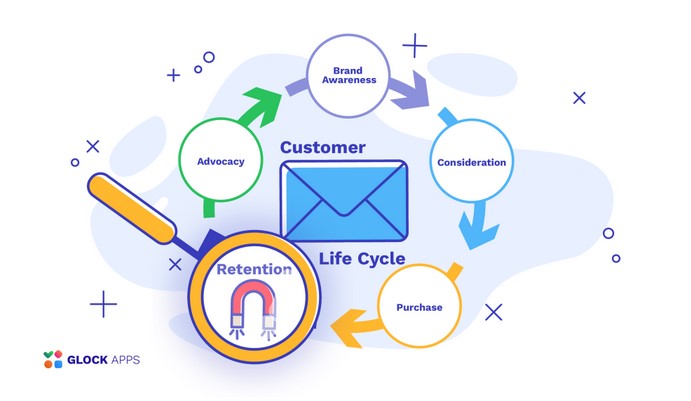
In today’s competitive digital marketplace, customer retention is just as important as acquisition. However, it’s not uncommon for customers to lose interest over time, even after a strong initial relationship. That’s where a well-thought-out re-engagement email strategy comes into play. By sending targeted, personalized emails to inactive customers, businesses can reawaken interest, reignite relationships, and drive conversions without having to start from scratch. Crafting a successful re-engagement email strategy requires understanding the reasons behind customer disengagement and implementing email tactics that speak directly to their needs. In this article, we’ll explore how to craft a re-engagement email strategy that not only captures attention but also converts inactive subscribers into loyal customers.

Why You Need a Re-Engagement Email Strategy

Customer disengagement is an inevitable part of business life. Whether due to a shift in preferences, changing priorities, or simply forgetting about your brand, customers may eventually become inactive. But instead of letting them fade away, it’s essential to re-engage them—particularly because re-engaging an existing customer is far less expensive than acquiring a new one.

A well-crafted re-engagement email strategy helps you reconnect with those subscribers, remind them of the value your product or service provides, and motivate them to take action once again. Without a strategy in place, businesses risk seeing their email lists become stale, leading to lower engagement rates, higher unsubscribe rates, and missed opportunities to boost revenue.

The key to successful re-engagement is personalization, timing, and value. By understanding why a customer disengaged, segmenting your email list accordingly, and sending content that resonates with their interests, you can significantly increase the chances of reigniting their interest in your brand.

Key Components of a Successful Re-Engagement Email Strategy

A re-engagement email strategy isn’t a one-size-fits-all solution—it requires careful consideration of customer behavior, message timing, and content personalization. Below are the key components that will ensure your re-engagement efforts are effective:

1. Segment Your Audience Based on Engagement History

Before sending out re-engagement emails, you need to segment your audience to tailor the messages effectively. Not all inactive subscribers are the same. Some may have stopped engaging with your emails after only a few interactions, while others may have been completely disengaged for months. By segmenting your email list, you can craft more relevant content that speaks to the specific reasons behind their inactivity.

  • Highly Engaged, Recently Inactive: These customers might have simply forgotten about your brand, or their priorities may have shifted temporarily. A gentle reminder or an exclusive offer could be the nudge they need.
  • Engaged in the Past, Now Silent: These subscribers might be a bit more difficult to win back, but with the right incentive, such as a compelling offer, you could reignite their interest.
  • Long-Term Inactive Subscribers: These individuals might need a more significant incentive, such as a larger discount, an update on new offerings, or a rebranding message that demonstrates why your company is now more relevant to them than ever.

Segmenting your list in this way will increase the chances of crafting a targeted email that resonates with each recipient.

2. Create Compelling Subject Lines

The subject line is the first impression your re-engagement email will make. If it doesn’t grab attention, it’s likely to end up in the trash folder. The subject line must create curiosity, spark interest, or offer immediate value. Here are some tactics to consider:

  • Personalization: Use the recipient’s name or reference their past activity with your brand.
  • Urgency: Create a sense of urgency with phrases like “Last chance” or “Don’t miss out.”
  • Value Proposition: Highlight a benefit or offer right in the subject line, such as “Your exclusive discount inside.”

A/B testing subject lines is an effective way to figure out which type of messaging works best with different customer segments.

3. Craft Engaging Content

The content within your re-engagement emails should be both relevant and compelling. It’s essential to focus on delivering value and addressing the potential reasons your customer may have disengaged. Here are some strategies for effective content:

  • Personalized Offers: Consider offering a special discount, a free trial, or an exclusive deal tailored to the recipient’s past behavior with your brand. For example, if they previously purchased a product, offer a complementary item at a discount.
  • Showcase New Products or Features: If there’s been a major product update, new releases, or features added to your offering, highlight them. Customers may have become disengaged simply because they were no longer aware of how your product or service could meet their current needs.
  • Remind Them of What They’re Missing: Sometimes, simply reminding subscribers of the value they’re missing out on is enough to rekindle interest. This could involve showing them personalized recommendations based on their previous interactions with your brand.
  • Engaging Visuals: Including eye-catching images, videos, or interactive elements can make your email more engaging and improve the chances that recipients will take action.

4. Timing is Everything

The timing of your re-engagement emails is crucial to their success. Sending a re-engagement email too early may feel intrusive, while waiting too long may result in missed opportunities. It’s important to monitor customer activity and identify the right window for sending your re-engagement email.

  • Early Reminders: For those who have been inactive for a shorter time, a simple reminder or an update about new offerings can be effective. This could be as simple as, “We missed you! Here’s what’s new at [Your Brand].”
  • Follow-Up Emails: For customers who haven’t responded to the first re-engagement email, sending a follow-up with an additional incentive, such as a special discount or a limited-time offer, can further motivate them to take action.
  • Automated Triggers: Setting up automated email workflows based on triggers, such as a customer not opening an email or abandoning a cart, can ensure timely communication and consistent engagement efforts.

5. Include a Clear Call to Action (CTA)

A strong re-engagement email should include a clear and compelling call to action (CTA). Whether you want customers to make a purchase, revisit their account, or simply open an email, the CTA should be easy to understand and actionable. Use action verbs and keep the CTA simple, such as “Claim your 20% discount now” or “Check out our new arrivals.”

Make sure the CTA stands out visually by using contrasting colors and placing it strategically within the email so that it’s easy for recipients to find.

6. Monitor, Analyze, and Optimize

Like any other email marketing effort, re-engagement email strategy requires constant analysis and optimization. Monitor open rates, click-through rates, conversion rates, and unsubscribe rates to gauge the effectiveness of your campaigns. Regularly analyze the data to see what’s working and what’s not, and make adjustments accordingly. Testing different subject lines, offers, content, and CTAs can help you refine your strategy and improve performance over time.

A well-executed re-engagement email strategy can help you revive relationships with inactive customers, turning them back into loyal advocates for your brand. By segmenting your audience, crafting personalized offers, and delivering engaging content, you can increase the likelihood of converting disengaged customers into active buyers. Timing, personalization, and clear calls to action are essential elements of a successful strategy. As with all email marketing efforts, continuous testing, monitoring, and optimization will ensure that your re-engagement emails continue to produce results, keeping your customer base active, engaged, and loyal for the long term.

1 … 19 20 21 22 23 … 99